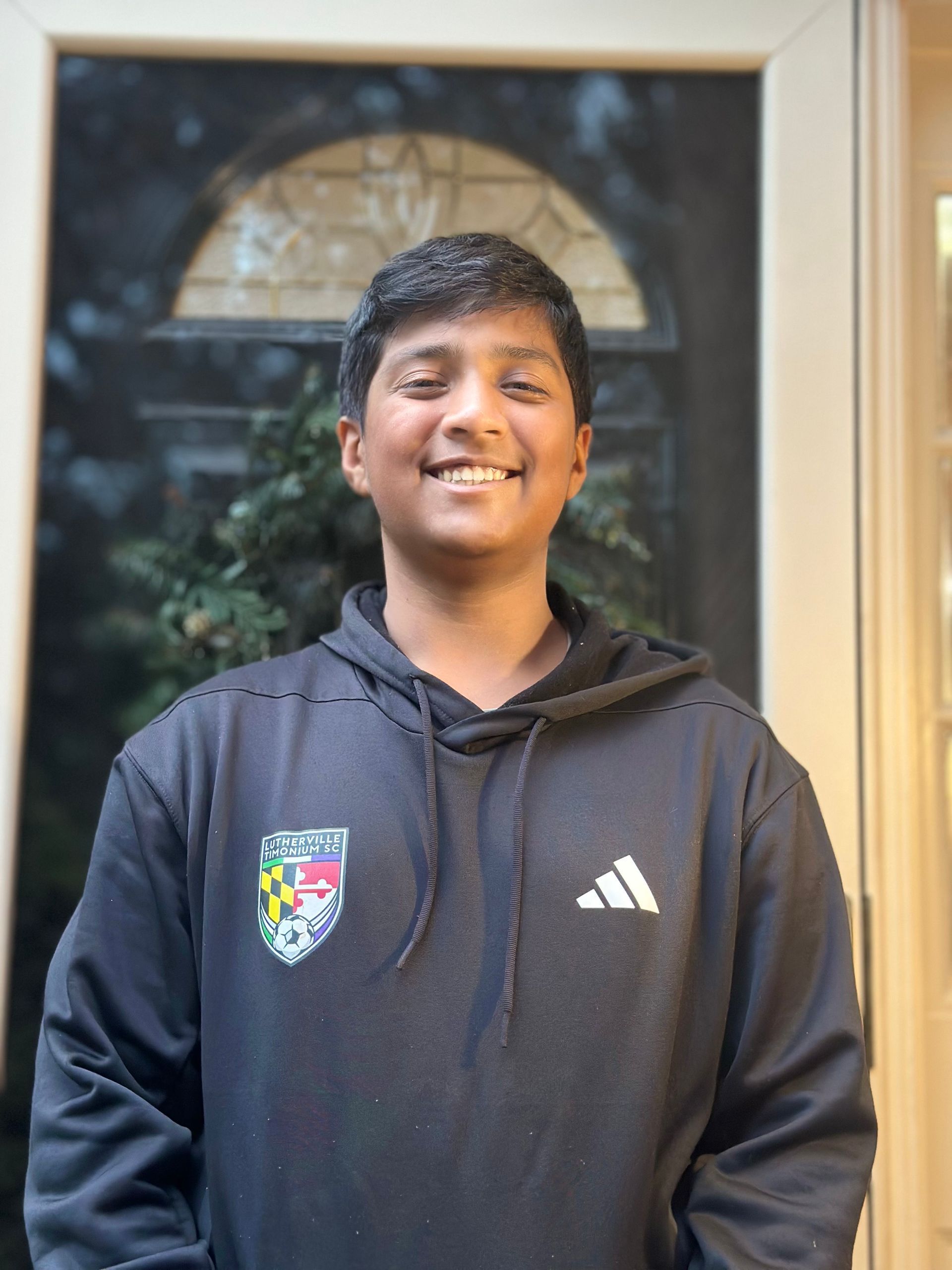
Vishvak Gernapudi is a student at Towson High School and the air quality monitoring steward for the Breathe Baltimore site at Bay Brook Elementary/Middle School.
The Right to Breathe: Baltimore's Battle for Environmental Justice
Vishvak Gernapudi • January 9, 2026
The Right to Breathe: Baltimore's Battle for Environmental Justice
By Vishvak Gernapudi, Towson High School
Air is omnipresent, but not all air is created equal. In Baltimore, breathing clean, safe air is contingent upon where a resident lives. Some areas are so polluted that residents can smell it in the air without knowing where it's coming from. That's unfortunate, but it’s not okay. Air quality is an environmental issue but most importantly a public health issue that impacts children, families, and communities every day. It's been my pleasure to work with the Breathe Baltimore Project as a student and data steward. I've seen how air quality impacts health, education, and community in Baltimore first hand.
As a historically industrial city, Baltimore's air quality problems stem from the legacy of pollutants. For decades, shipping, steel, and coal were vital components of the city's economy. However, this history left pollution in its wake. South Baltimore is heavily impacted by this legacy. According to the American Lung Association’s State of the Air 2023 report, Baltimore is one of the worst metropolitan areas for ozone pollution. Compounding this issue is the reality that some neighborhoods are positioned in front of major sources of dangerous air pollutants—hospitals, major highways, and incinerators that make them vulnerable to more exposure than other neighborhoods.
Three neighborhoods that are heavily impacted by poor air quality include Curtis Bay, Cherry Hill, and Bay Brook. More than one incinerator and truck depot in the area create a highway haven for trucks and industrial transportation which makes this area a hot spot for pollution. The Maryland Environmental Health Network explains how high exposure of air pollutants are attributed to being located near those facilities (Air Quality and Environmental Justice in Maryland). The fact that air quality does improve upon distance from them is concerning because people were not necessarily meant to live or thrive with these facilities all around them. Instead, it's become part of life for these communities.
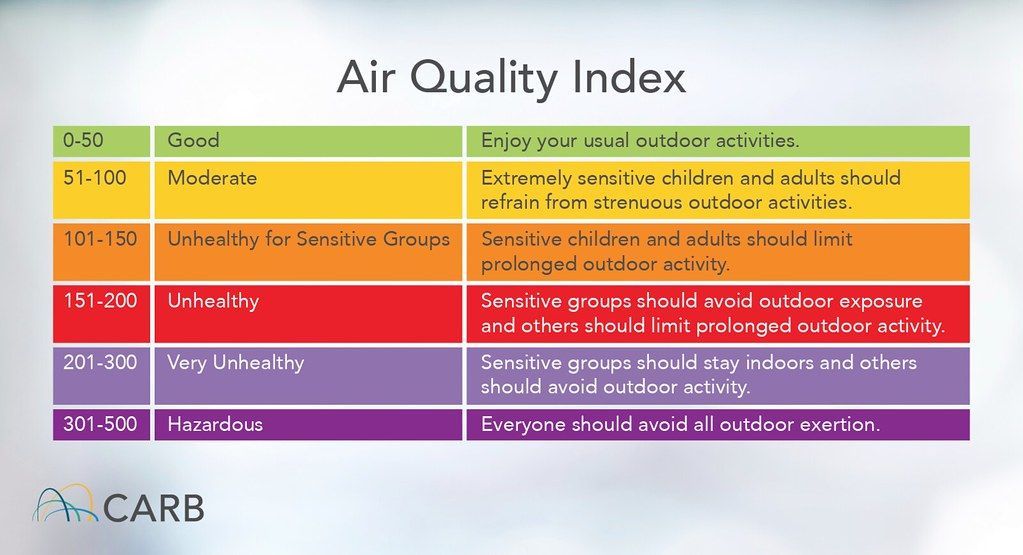
Air quality impacts general health immensely. Air pollution is associated with asthma and other respiratory conditions, cardiovascular disease and premature death. Childhood asthma hospitalization rates in Baltimore are more than double national averages and per the Baltimore City Health Department, asthma-related emergency room visits in South and West Baltimore are three to four times higher than city averages (Asthma in Baltimore: A Community Profile). For families, this means missed school days and missed shifts of work as well as continuous concern about active flare-ups and emergencies.
In fact, these statistics link up with narratives from the children themselves. When I interviewed some students from Bay Brook Middle School about what it means to breathe bad air they told me things like, "I couldn't breathe that well during practice. My chest was tight and it felt like the air was thick," and, "My mom checks the air quality on her phone before letting me go outside." This is not how sixth graders should have to worry about their day-to-day lives but unfortunately these are sentiments expressed by some residents of Baltimore city who feel this way daily and are impacted by it.
Some students also described visuals associated with pollution. One student said, "Sometimes it smells like burning plastic when the air is bad," - and it wasn't an exaggeration either - but it's a sentiment that has been echoed all over Baltimore citizens. Another said, "We should have more trees around our school - it would help with the pollution." These quotes go to show that these students are willing to speak up for themselves and their community as advocates to help them breathe better.
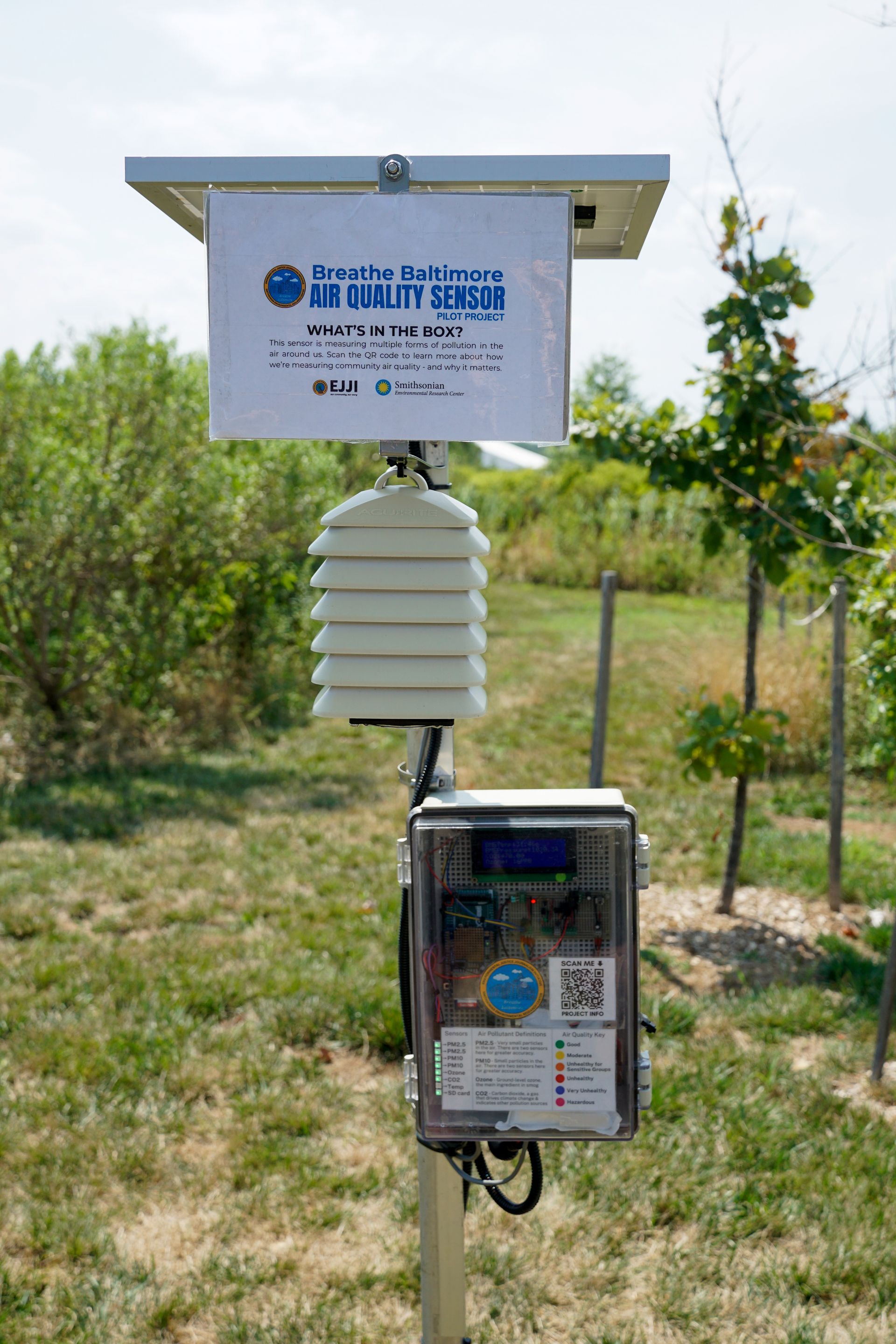
How students conceptualize air quality was also revealed through the interviews. When asked what air quality was, answers included "how good or bad the air is", "how much pollution is in the air", "is it safe to breathe." Some matched their information to observations (e.g. haze, air being heavy when they ran during soccer games). Without all of the details, they still knew of the issue from lived experience.
The health impacts the students cited relative to air quality matched public health findings. Many remarked upon "burning lungs while playing outside" with many parents who now work outside having a difficult time breathing. Asthma was reported frequently - concerns of how 200 miles away of wildfires would impact breathing here in Baltimore occurred a lot. Sports (soccer, basketball, and football were mentioned the most) were often cited as reasons - some said they chose not to go to practice or outdoor recess just because the air was "heavy." This greatly impacts student mental and physical health as they miss out on an opportunity to be active just due to pollution.
Relative to poor air quality, students noted the sources: car emissions, trash incinerators, factories, and explosions. Some noted that the explosion at CSX coal depot affected their neighborhood air quality. Some students mentioned Canadian wildfires, suggesting that air quality is not only a problem within Baltimore but a larger issue. It concerns them many times with how good the air outside is or I hope I can play my sport today. It is not fair to them as they should be able to have fun without concern about whether they can breathe or not.
The solutions they provided were just as sincere and simple: walk or bike instead of driving, take public transportation, plant more trees, and do less activities that pollute. While these actions may seem simple in a big city (and not fix the issue citywide), in small communities, these changes may help while policies are put into place for longer term solutions.
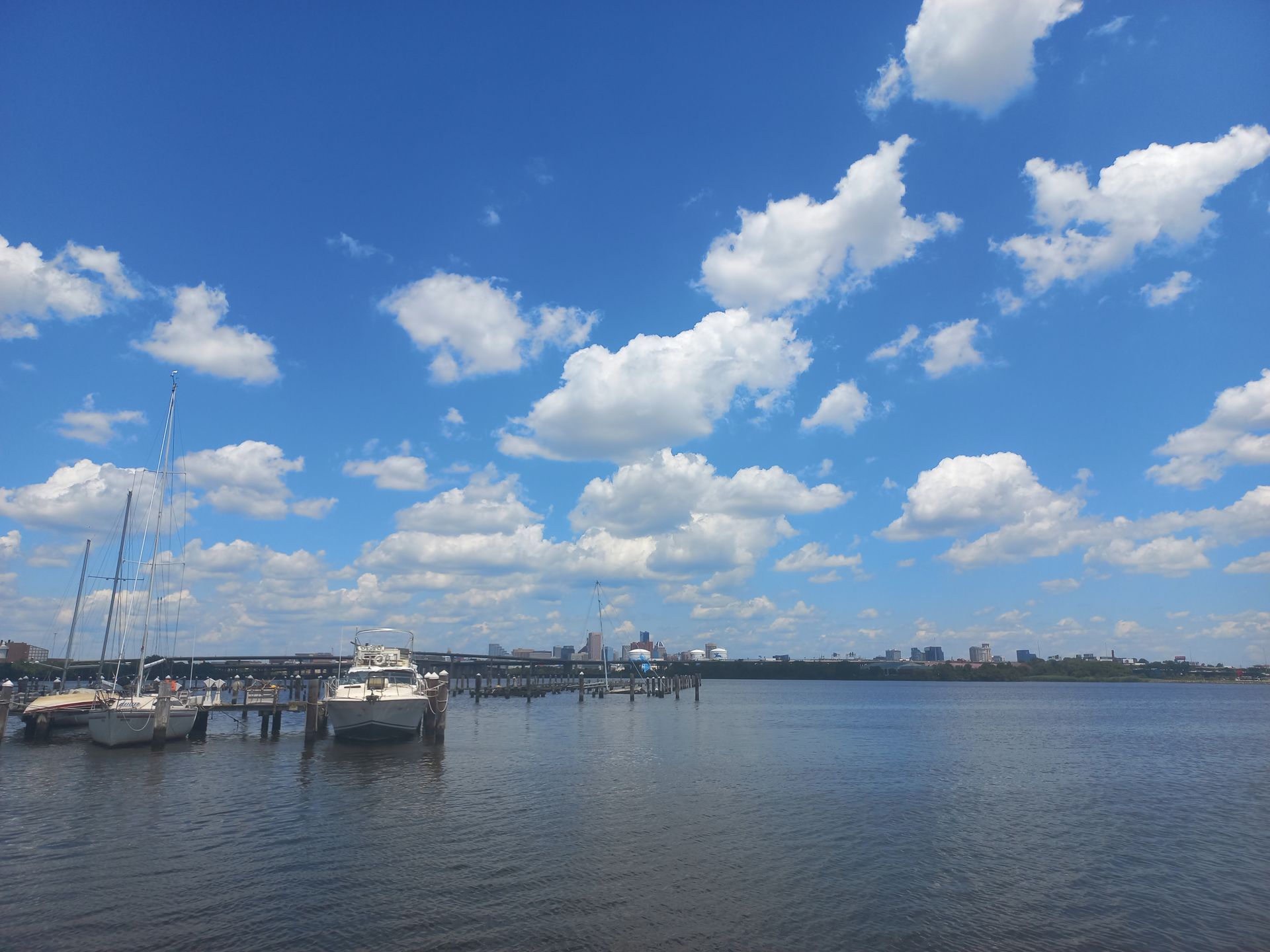
Without systematic monitoring, this problem is compounded. According to the Environmental Integrity Project, “there is no citywide air monitoring network in Baltimore that captures all of the neighborhood level inequities.” This failure to garner enough data creates a strain for communities to prove detrimental impact and policymakers to advocate for stricter measures. However, even with noted violations, it seems enforcement is lacking. “Regulators have failed to shut down or significantly penalize major polluters in the city,” cites the Maryland Environmental Health Network. But there are sparks of good news among the debris of bad air and temperatures.
In fact, in 2016, an organized opposition from the South Baltimore Community Land Trust and Free Your Voice fought against the construction of what would be the largest trash incinerator in the nation, located less than one mile from Curtis Bay homes and schools; youth activist Destiny Watford brought the fight home, reminding policymakers that residents should not have to choose between simply living in their homes and breathing without fear. If children can affect policy enough to stop such a huge detrimental effort, there is hope that others can achieve the same. The 2016 victory was assessed during this work. In my advocacy, I learned that increasing awareness was the first step of many.
From surveying data collection to student interviews to disseminated findings, I want to play a part in a cleaner Baltimore. “This is unacceptable,” they say; “My chest was tight"; “Sometimes it smells like burning plastic.” Even the references to data are as effective as the statistics themselves - they serve as the human reminder that people live behind these collections. Ultimately, the fight for clean air in Baltimore allows people to be healthy. Children can run outside without fear, parents can work without lung pain, and families no longer need to check air quality apps just to decide if they can go outside. Clean air should be a right - never a privilege.
Baltimore is a city steeped in history, pride, and life. Its progress should not only be measured by gentrification or industry but by whether or not its citizens can breathe safely. For far too long, Baltimore residents have accepted pollution as part of their history; it's time that this narrative shifted. Without increased monitoring and enforcement, bolstered with green infrastructure and community advocacy, no neighborhood will be left behind in Baltimore's rise for a future too good to be true.
As I continue this work through the Breathe Baltimore Project, I want to continue correlating these qualitative stories through quantitative reality. For all the sixth graders who stop playing soccer when it feels too heavy out, and all the neighbors who still remember when the coal depot exploded, breathing clean air isn't just an initiative—it's personal. It's not only fixing the environment; it's fixing our ability to breathe easier wherever we are in Baltimore.
Works Cited
American Lung Association. State of the Air 2023. American Lung Association, 2023, www.lung.org.
Baltimore City Health Department. Asthma in Baltimore: A Community Profile. Baltimore City Health Department, 2021.
Environmental Integrity Project. Choking on Pollution: Air Monitoring Gaps in Baltimore. Environmental Integrity Project, 2022.
Environmental Protection Agency. “Environmental Justice.” EPA, 2023, www.epa.gov/environmentaljustice.
Grist. “How Destiny Watford Took on a Trash Incinerator—and Won.” Grist, 2021, grist.org.
Maryland Environmental Health Network. Air Quality and Environmental Justice in Maryland. MEHN, 2022.
South Baltimore Community Land Trust. Community-Led Development and Environmental Justice. SBCLT, 2023.
Environmental Justice. environmentalintegrity.org/what-we-do/environmental-justice/. Accessed 11 Oct. 2025.
Battle plan for Baltimore's disproportionately high ... www.baltimorebrew.com/2020/10/22/battle-plan-for-baltimores-disproportionately-high-childhood-asthma-rates/. Accessed 11 Oct. 2025.

MEET FISH DEPUTY: Leo Pecora

MEET FISH DEPUTY: Danielle Staggers
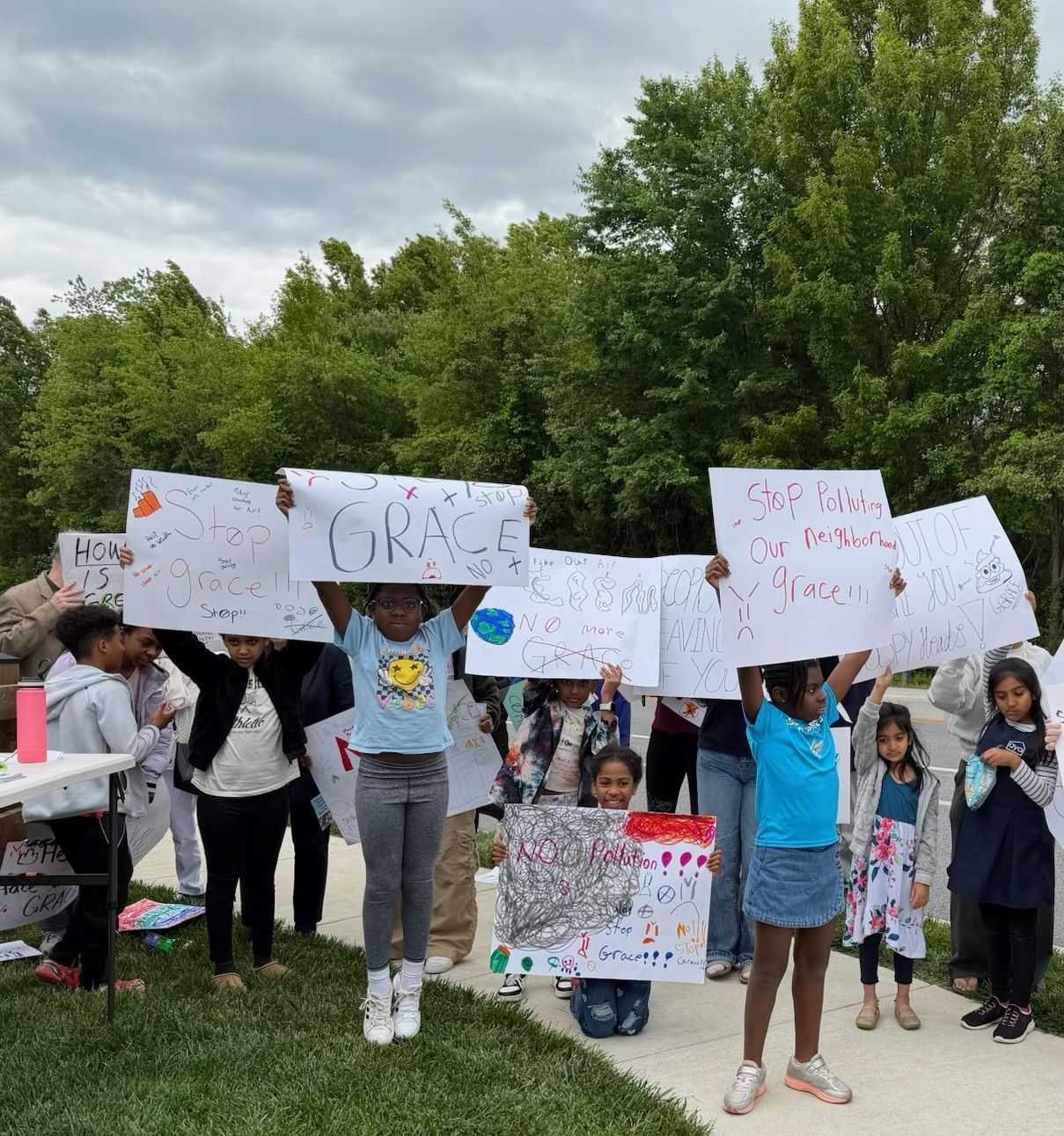
OP-ED: "I Moved to Columbia to Keep My Kids Safe. Now a Plastics Incinerator Is Operating Less than 400 Feet From My Home."
Baltimore, MD – The Environmental Justice Journalism Initiative (EJJI) is excited to announce the return of Reel Rewards , a community-powered program that promotes sustainable fishing practices and helps control invasive species in the Baltimore Harbor. The 2026 season will run from April 25 to July 18, 2026 , and brings with it updated bounty tiers and continued opportunities for community engagement and environmental impact. This season, Reel Rewards features bounty tiers that support local anglers while providing gut content data that can be used by scientists and environmental managers. Participants are encouraged to catch invasive species like Northern Snakehead, Blue Catfish, and Flathead Catfish within the program boundaries, and bring the fish to designated drop-off locations on specific days. In return, fishers receive $10 for each fish head turned in, $10 for logging a picture of what’s inside the fish’s stomach, and $10 for each cleaned fish filet per fish to be re-used as bait. Reel Rewards is hosted by EJJI, funded by South Baltimore Gateway Partnership and the Maryland Whole Watershed Program , and in partnership with Reimagine Middle Branch and the Coastal Conservation Association of Maryland . This unique collaboration brings together community voices, environmental researchers, and conservation advocates to tackle real ecological issues while uplifting Baltimore’s fishing communities. Registration is now open at: https://www.ianglertournament.com/ejji-reel-rewards-2026 For updates, official drop-off days and locations, and more details about participating, visit: https://www.ejji.org/reel-rewards . If you are with a community group or organization who would like to plan a joint event or educational engagement, contact EJJI at: veronica@ejji.org About EJJI The Environmental Justice Journalism Initiative (EJJI) is a non-profit organization dedicated to environmental justice and community empowerment. Through storytelling, collaborative outreach, and hands-on programming, EJJI connects Baltimore communities with the researchers, policymakers, and advocates working on environmental justice issues in their neighborhoods. Contact: Veronica Malabanan Lucchese Environmental Science Program Manager, EJJI veronica@ejji.org ###
Section 1: The Domino Effect To explain something complex, you have to start small— very small .
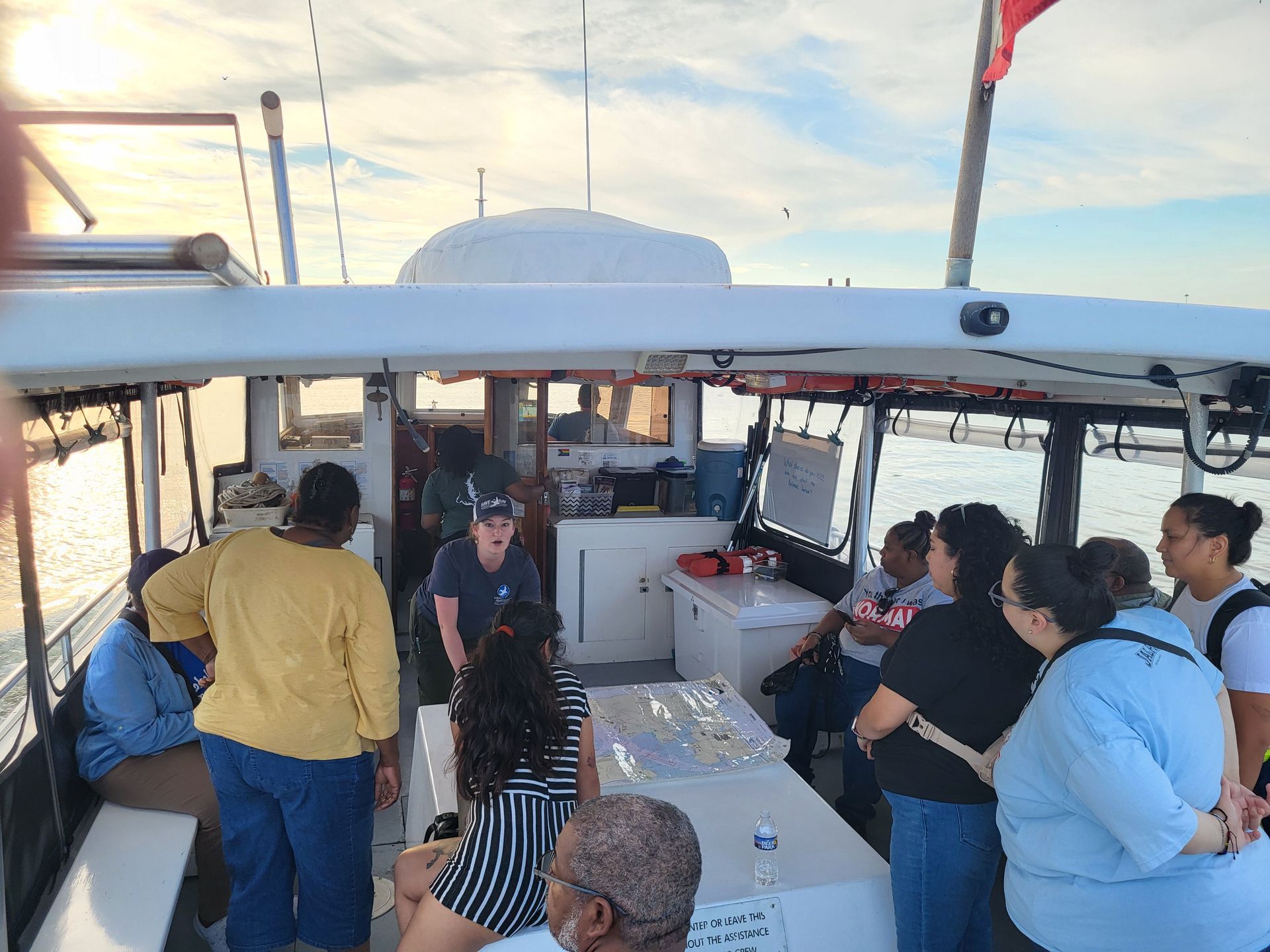
Latinx Baltimore Boat Tour
Reel Rewards: Empowering Communities to Restore Middle Branch Harbor
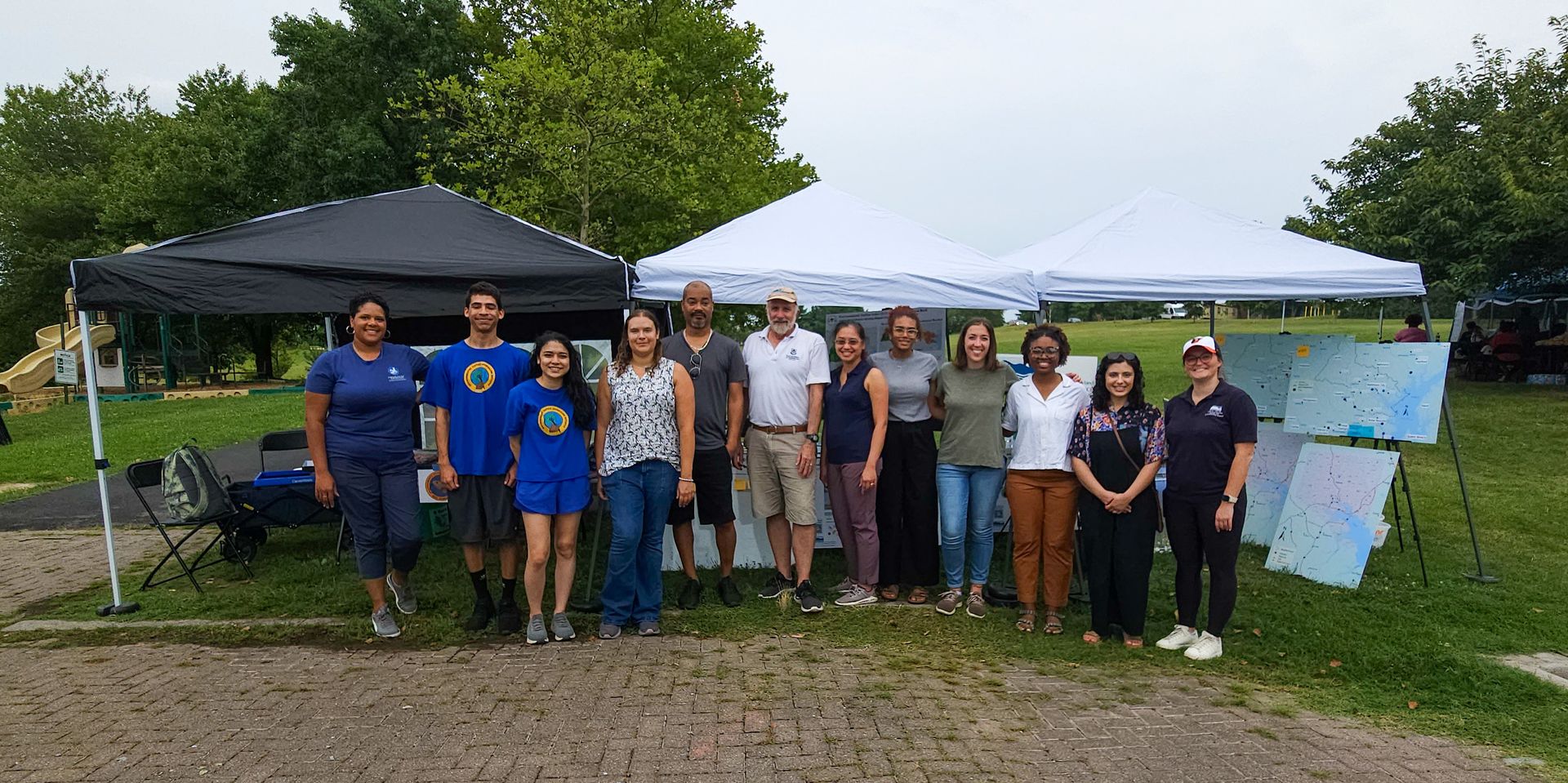
Reel Rewards Special Event – A Day of Environmental Engagement in South Baltimore
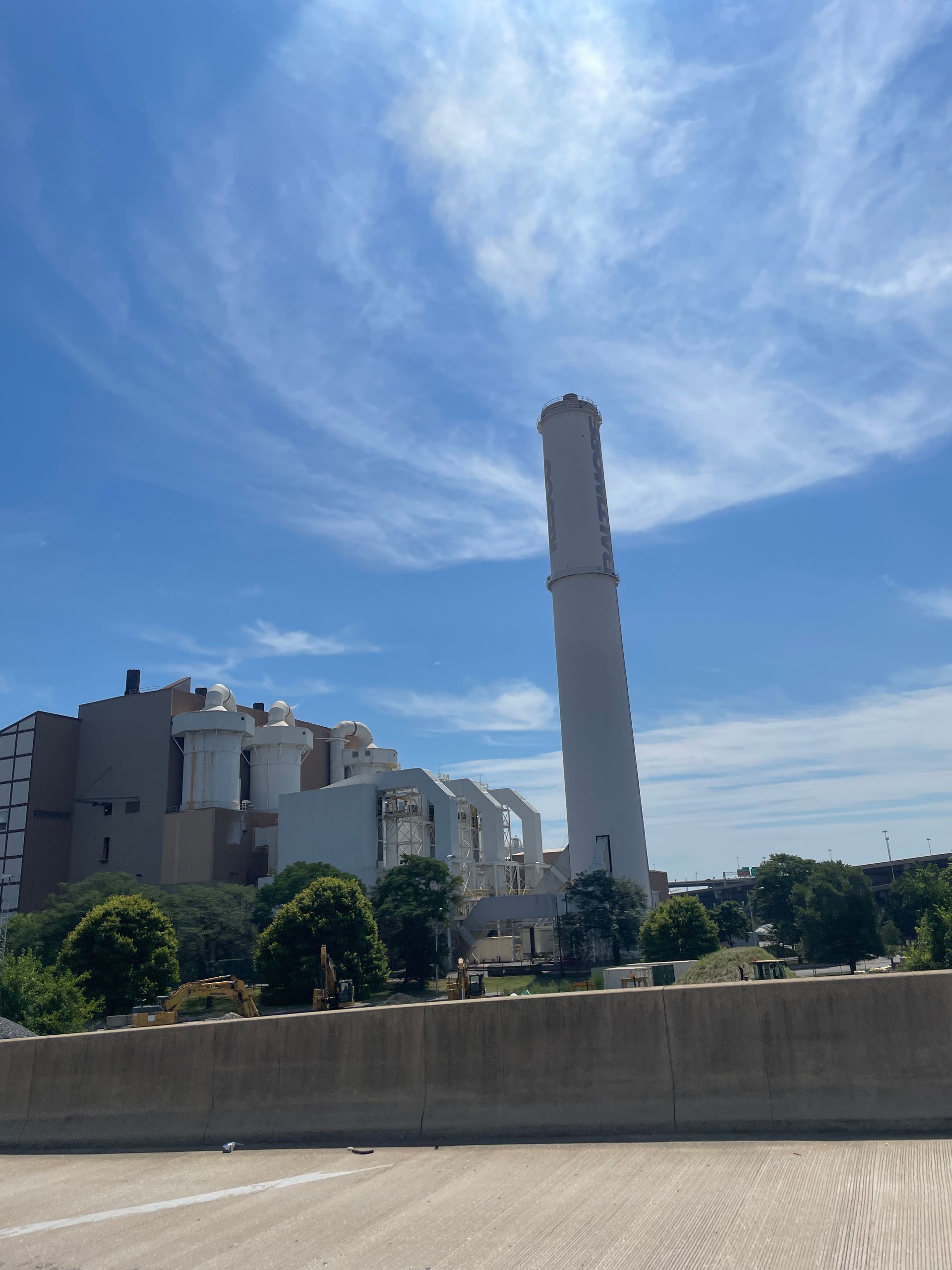
Baltimore’s Air Quality Exposure
Baltimore Angler Stories Celebrating Community and Sustainability: An Inspiring Interview with Danaz Williams