OP-ED: "I Moved to Columbia to Keep My Kids Safe. Now a Plastics Incinerator Is Operating Less than 400 Feet From My Home."
OP-ED: "I Moved to Columbia to Keep My Kids Safe. Now a Plastics Incinerator Is Operating Less than 400 Feet From My Home."
By Shamieka Preston
Every stopgap meant to hold the notorious chemical company W.R. Grace accountable failed.
Some mornings I step outside and I can hear it right away: my daily reminder that I live next door to Grace’s plastics pyrolysis incinerator. Their administrative campus is 260 feet from my community, and we never saw this coming. An actively operating plant burning plastic and emitting toxic waste was never something I would consider happening in Columbia.
Columbia, Maryland has made the “best places to live” lists for multiple years because of the schools, diversity, safety, and environmental friendliness. After experiencing community violence in big cities, my family and I moved here because we believed we’d be safe. Having plastic burning less than a football field away from the nearest home is a different kind of violence and trauma.
Pyrolysis facilities have been documented releasing up to 96 toxic chemicals including benzene, formaldehyde, dioxins, and heavy metals. Between 2021 and 2024, three of these facilities generated more than 2 million pounds of hazardous waste. The EPA's own scientists have flagged serious cancer risk from pyrolysis-derived fuel emissions.
Grace got their permit right after the last house was sold in Cedar Creek. Our community is brand new. Most of us just got here. It’s my belief that they banked on the sunk cost mindset. And that's what companies like Grace count on to quietly take advantage of the communities they poison.
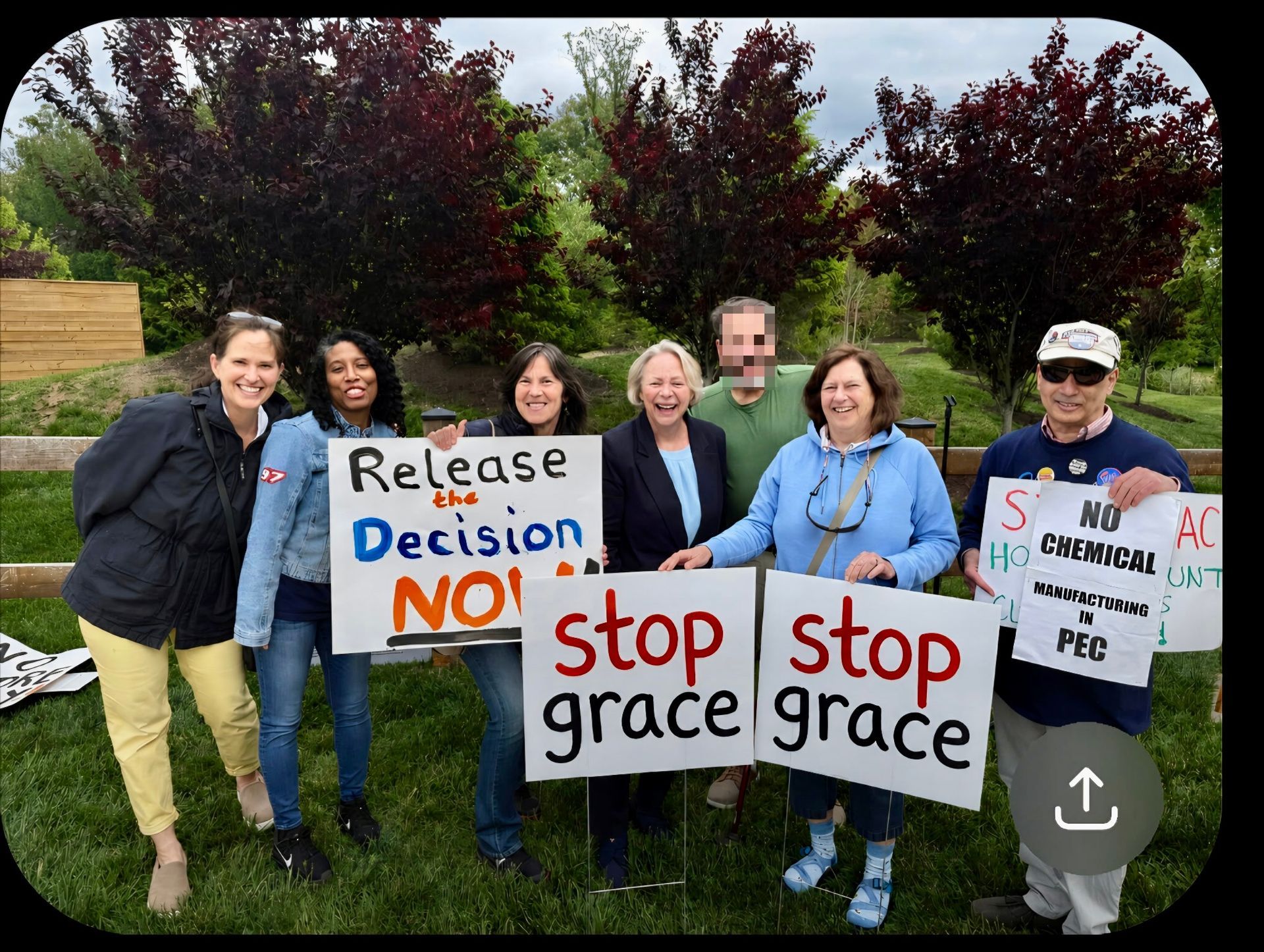
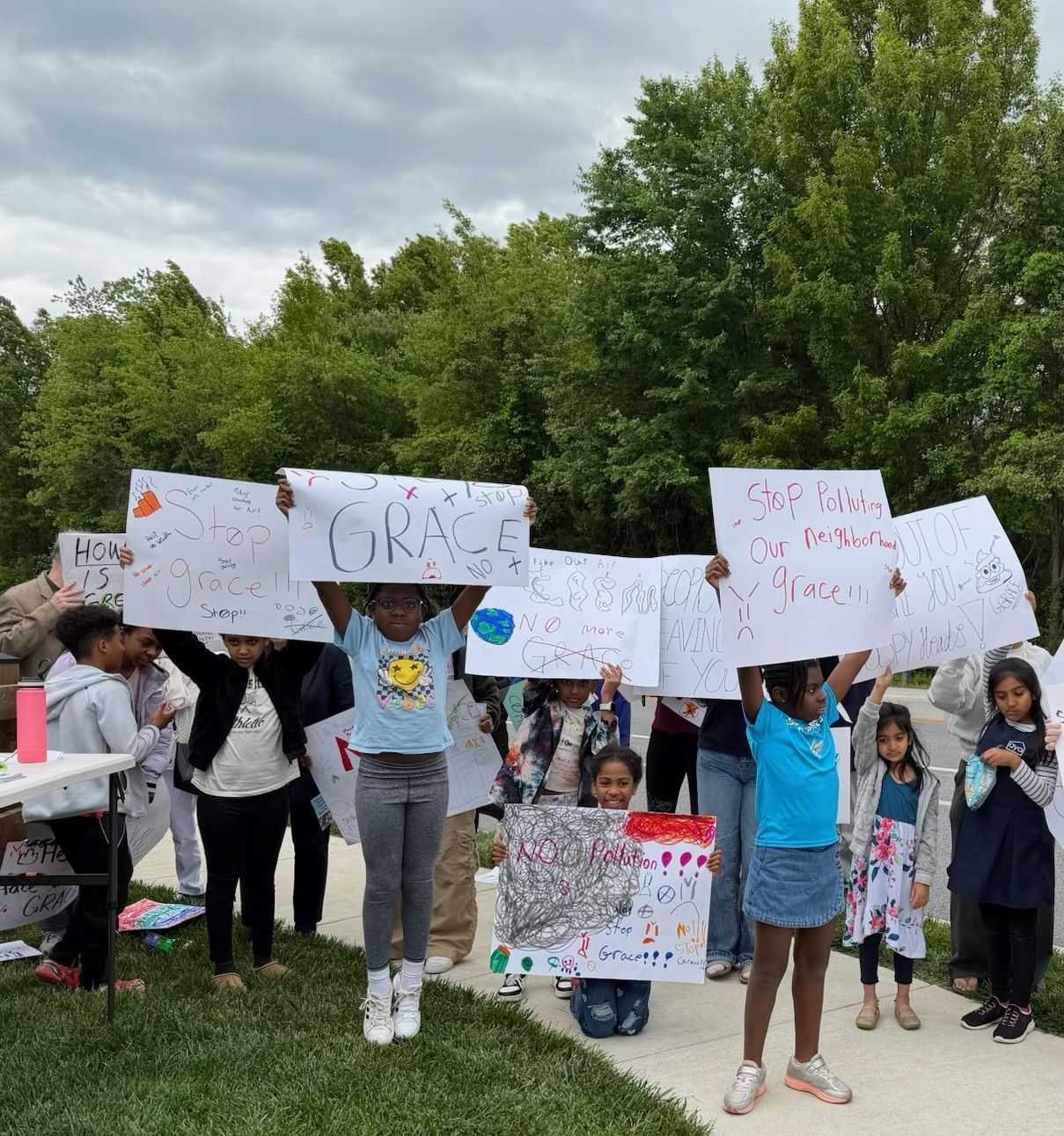
Well, we decided to fight back, and my community did everything right, or so we thought. We filed complaints. We showed up to hearings, where kids and adults alike testified about the danger to our neighborhood and to our health. A County Council bill that would have protected us failed in a 3-2 vote.
When we were able to pause the project in the Department of Planning and Zoning, Grace appealed, and the Howard County Board of Appeals voted in their favor. After 9 months, we finally received a written decision order. The delay kept us from being able to continue our court proceedings. And as we waited, exposed us to months of possible toxic emissions. I ran for office, figured if we can’t impact change from the outside, maybe we can from the inside. Unfortunately, I lost my election bid.
There is precedent for winning this fight, on more than one front. Community pushback once killed a plan to turn the Brooklyn Navy Yard, where I grew up, into an incinerator. And this year, two other plastic pyrolysis plants, one in North Carolina, one in Ohio, shut down after racking up permit and hazardous waste violations. We hope our community doesn’t have to experience this before we say no to an incinerator near our homes.
Residents in communities surrounding Grace have reported burning plastic and other toxic odors and noise disruptions all day and night. These are lived experiences we could not have described during the state’s 2024 public review because the facility was not yet operating.
Now that we have 6 months of experience, we believe an additional comment period should be conducted before the state grants Grace’s permanent authority to operate this facility. Residents, scientists, and independent experts deserve an opportunity to submit current scientific and technical evidence, scrutinize the testing, and place the real-world experiences of surrounding communities as determinants on whether a final permit is granted and into the legal record.
My neighbors and I are still fighting. WR Grace has received a temporary permit and is looking to extend to a permanent permit. We are demanding a public-comment period before they receive their extension. Community members must be heard because our children are breathing this air now. Silence lets regulators and elected officials claim ignorance. We refuse to let that happen because today it’s Columbia, but tomorrow it could be you and your neighbors fighting to keep your kids safe.
Shamieka Preston is a resident of Howard County and co-facilitator of the Stop Grace Coalition.